
Loose Parts, Playful Interactions
Open-ended materials. Meaningful play. Real learning.
A training and kit experience designed to help educators, schools, and families create rich invitations for play using simple, open-ended materials.
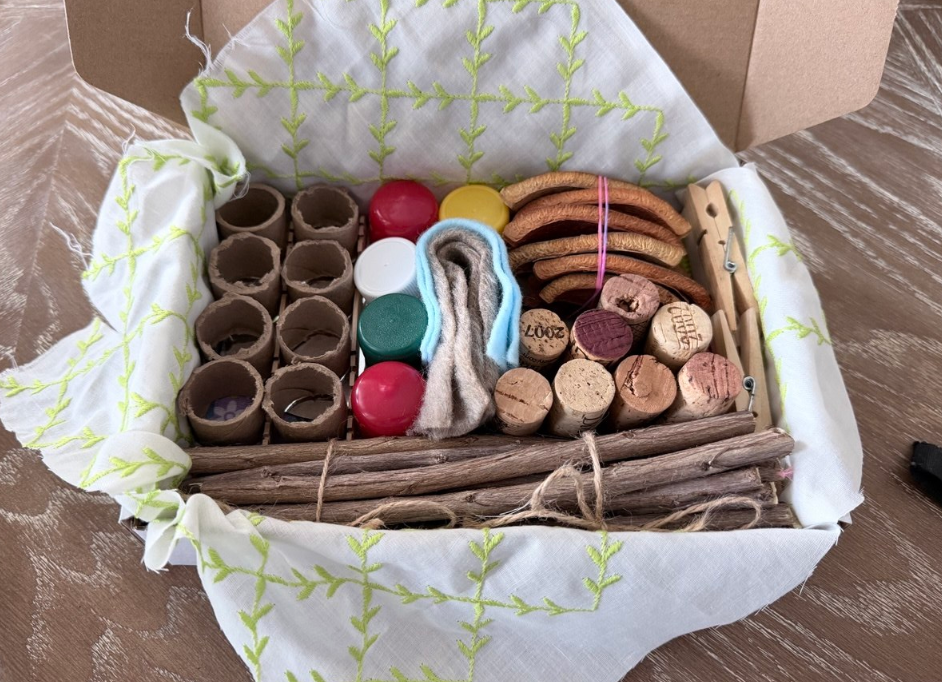
Loose Parts, Playful Interactions is a training and kit experience designed to help educators, schools, and families create rich invitations for play using simple, open-ended materials. These are not theme-based crafts. They are not step-by-step activities with one correct outcome. They are thoughtful provocations that invite children to notice, wonder, test ideas, build, sort, connect, imagine, and begin again.
This work is grounded in a long-standing belief that children learn deeply when they are given time, space, beautiful materials, and the freedom to explore with purpose. Using loose parts such as sticks, fabric, corks, tubes, caps, mirrors, and other recycled or repurposed items, children are invited into playful experiences that support creativity, problem-solving, connection, and joy.
Why loose parts matter
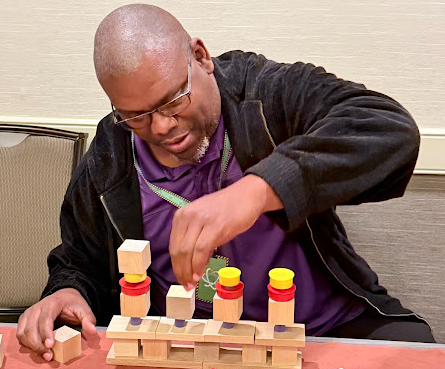
Young children do not only learn by being told. They learn by touching, moving, comparing, arranging, balancing, repeating, and experimenting. Decades of child development research continue to show that play and responsive, back-and-forth interactions support healthy brain development, language growth, self-regulation, social connection, and flexible thinking.
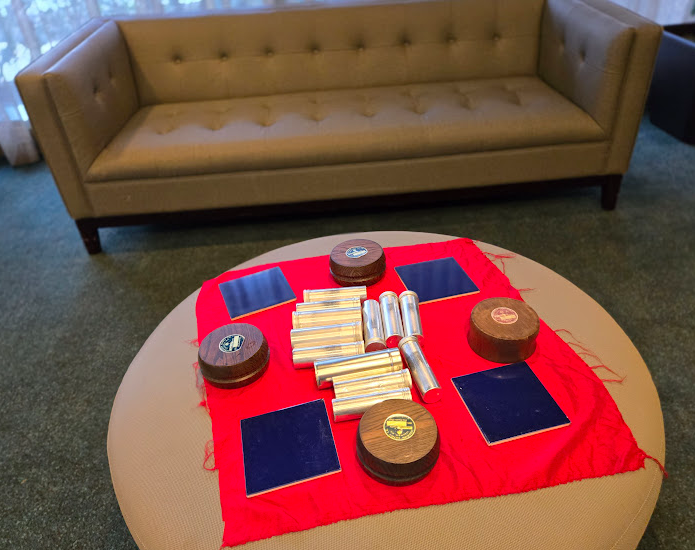
Loose parts are powerful because they are open-ended. A tube can become a tunnel, a telescope, a stand, or a container. A piece of fabric can become a pathway, a hiding place, a wrapping cloth, or part of a story. A mirror can reflect light, change perspective, and help children notice shape, symmetry, and design. When materials do not tell the child what to do, the child begins to do the thinking.
The heart behind this work
Loose Parts, Playful Interactions helps educators move away from over-scripted activities and return to something more meaningful: careful observation, intentional material selection, and environments that invite children into discovery.
This approach also helps adults reconnect with play. It reminds us that learning does not always need to be loud, flashy, or complicated. Sometimes the richest moments begin with a few beautiful materials, a calm invitation, and enough room for children to follow their own ideas.
A few simple ways children ages 3 and up can begin
These are starting points, not directions.
Unwrap and notice
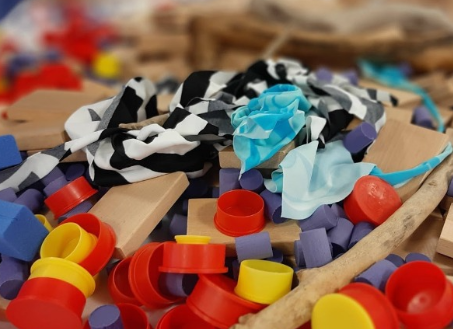
Place the box in front of the child and invite them to slowly unwrap the fabric. Let the first few minutes be about noticing, touching, and exploring the materials.
Build on the mirror or in the box
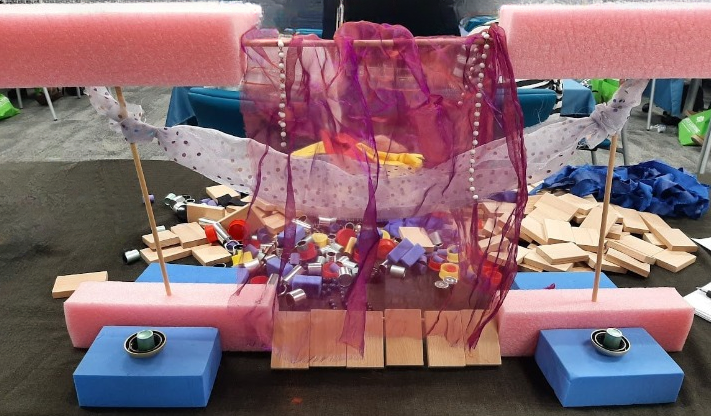
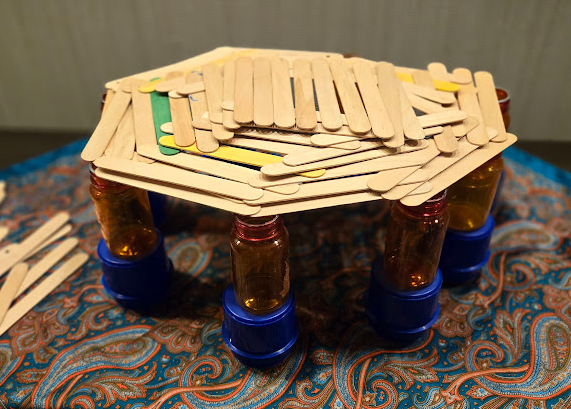
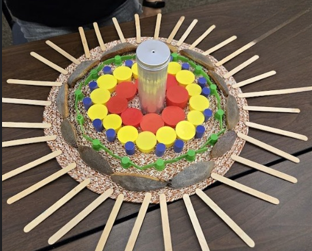
Use the mirror or the box itself as a base. Children can stack, line up, connect, balance, and rearrange materials to create their own designs and structures.
Sort, compare, and connect
Children may sort by color, shape, texture, or size. They may connect sticks with pipe cleaners, clip fabric onto wood pieces, or place caps and corks into patterns and groupings.
Make something that stands, hides, or balances
Invite children to see what they can create that stands up, covers something, frames a space, or stays balanced.
Add one found object
A pinecone, scarf, cardboard ring, shell, or natural item can shift the entire experience and open a new line of thinking.
What adults can do
The adult does not need to lead the play. The adult can prepare the space, offer the materials, and watch with curiosity.
Helpful language
- "I wonder what you notice."
- "Tell me about this part."
- "What changed?"
- "How did you decide that?"
Less helpful language
- "Make a house."
- "Use it this way."
- "That is not what it is for."
The goal is not to get children to copy an idea. The goal is to help children trust their own thinking.
Training opportunities
Loose Parts, Playful Interactions is available as a training topic for a wide range of audiences and settings.
Training can be designed as a keynote, workshop, hands-on session, or customized professional development experience.
Inquire About TrainingPurchase your Loose Parts, Playful Interactions kit
Each kit is thoughtfully curated to offer open-ended possibilities using simple, meaningful materials that invite creativity and connection.
Choose your purchase option:
Please note: Each Loose Parts, Playful Interactions kit is thoughtfully curated with open-ended materials, and the specific contents may vary based on availability. The image shown is a representation of the kit style and may not reflect the exact items included.
For bulk orders, training add-ons, or questions about shipping, please contact Juelie directly.
Contact JuelieReady to bring this into your space?
Loose Parts, Playful Interactions was created to help children think with their hands, senses, bodies, and imaginations. It was also created to help adults see play differently: not as extra, but as essential.
Whether you are a teacher, director, trainer, or caregiver, this work can help you create spaces that feel more intentional, more connected, and more alive.
To order a kit, schedule a training, or learn more, contact Juelie today.